

Healthy Fats
Avocado
High mono-unsaturated fats combined with fiber make this a powerhouse for long-term satiety and vitamin absorption.
Density
High
Glycemic
Low
Bridging the gap between scientific dietary principles and the tangible reality of seasonal Mediterranean produce. A curated archive of food as functional fuel for an active lifestyle.

Winter produce in Genova centers on high-fiber cruciferous vegetables that support natural metabolic rhythm and digestive efficiency.
Effective weight control is rarely about restriction; it is about the strategic substitution of caloric volume with nutritional complexity. We prioritize whole foods that engage the body's natural signaling systems, utilizing fiber and protein to manage hunger at a chemical and physical level.
By focusing on the physical properties of food—such as the mastication required for cruciferous vegetables or the slow-release energy of complex carbohydrates—we create a meal architecture that supports an active lifestyle without the fatigue often associated with traditional diets.
Detailed analysis of functional food groups and their metabolic roles.
Vegetables and whole grains provide essential fiber that slows glucose absorption. Soluble fiber assists in cholesterol management, while insoluble fiber ensures digestive regularity—both vital for weight maintenance.
Primary Sources: Oats, Brown Rice, Spinach, Radicchio, Pumpkin.
Sustained glycogen replenishment for active lifestyle demands without insulin spikes.
Protein preserves muscle tissue during weight reduction and has a higher thermic effect than other nutrients, meaning the body spends more energy processing it.
Primary Sources: Lentils, Chickpeas, White Fish, Turkey, Tofu.
Ensures muscle repair after sports, maintaining basal metabolic rate.
Healthy fats are essential for the absorption of vitamins A, D, E, and K found in fruits and vegetables. They also provide satiety signaling that prevents overeating.
Primary Sources: Extra Virgin Olive Oil, Avocados, Walnuts, Chia Seeds.
Reduces systemic inflammation induced by intense physical activity.
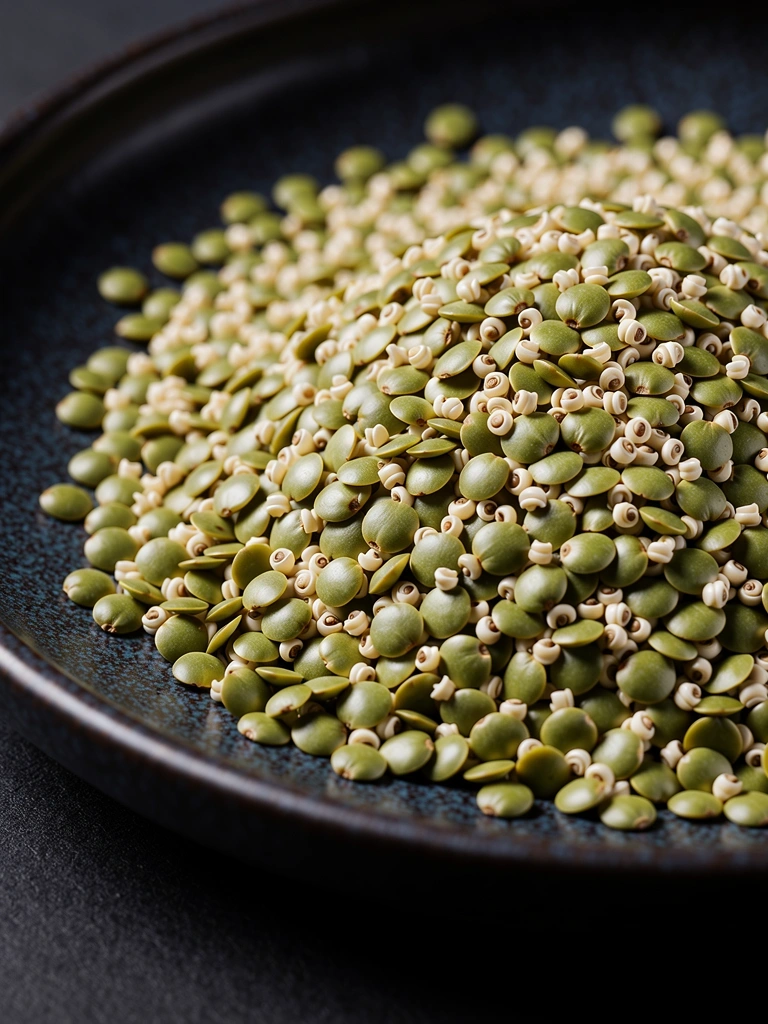
In Ligurian cuisine, legumes are not just a side dish. They are the backbone of a functional diet, offering a unique blend of protein and slow-digesting carbohydrates that stabilize hunger for hours.
High mono-unsaturated fats combined with fiber make this a powerhouse for long-term satiety and vitamin absorption.
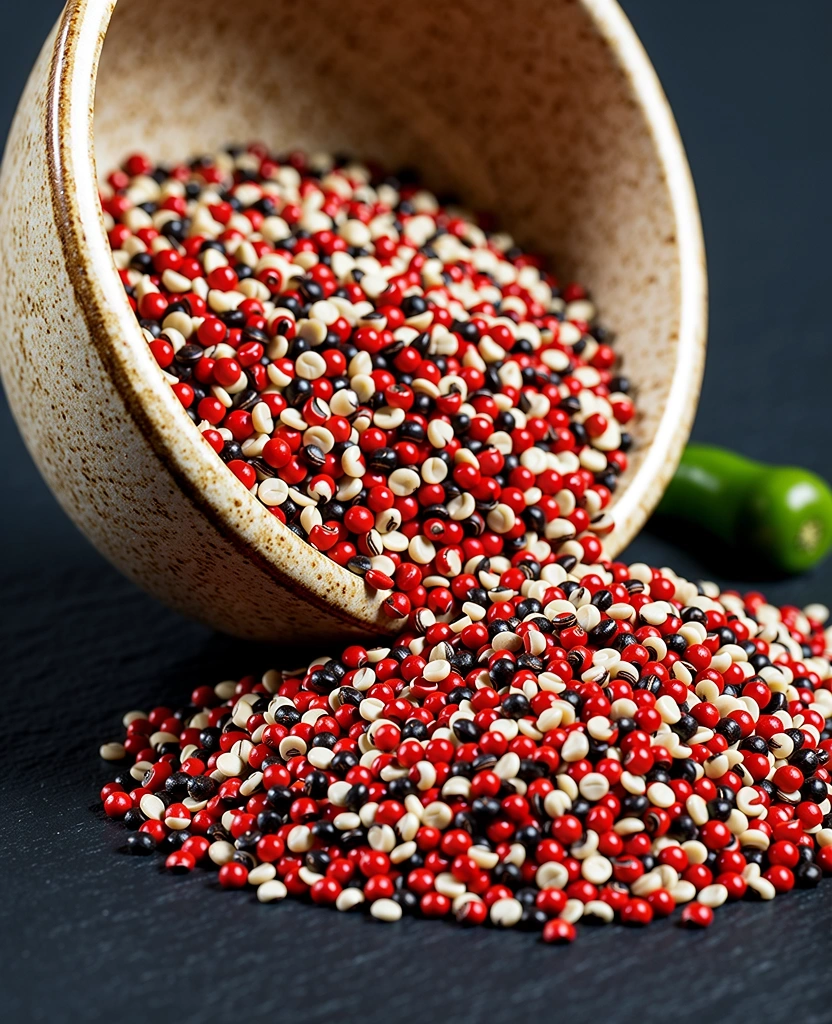
One of the few plant-based foods that contain all nine essential amino acids, perfect for active lifestyle recovery.

Beyond vitamins A, K, and C, kale provides a high volume-to-calorie ratio, making it an ideal filler for weight management meals.
While specific nutritional gaps may exist, we advocate for a whole-food baseline. Real produce offers complex biological synergies—such as fiber and phytochemicals—that synthetic alternatives cannot mimic.
Prioritize bioavailability through kitchen-based choices before considering concentrated alternatives. Synthetic support should complement a solid nutritional foundation, not replace it.
| Criteria | Whole Food Source | Synthetic Alternative |
|---|---|---|
| Bioavailability | High. Integrated fiber and fats assist natural absorption. | Variable. Often passes through the system without absorption. |
| Satiety Control | Significant. Physical bulk and chewing signal fullness. | Zero. Concentrated forms bypass hunger signals. |
| Complementary Benefits | Includes polyphenols, fiber, and hydration. | Isolated single nutrients without synergy. |
| Long-Term Cost | Included in a standard grocery budget. | Ongoing monthly expense for isolated pills. |

Ready to translate these principles into a structured daily protocol? Let's design a nutritional blueprint that respects your lifestyle.